
Collaboration, work enquires or just say hello.
Interior design is the art and science of enhancing the interiors.
Dubai,UAE
+971 564480337
info@ostentdesigns.ae
Ostent Designs - Best Interior Designers in uae
Our Work Flow
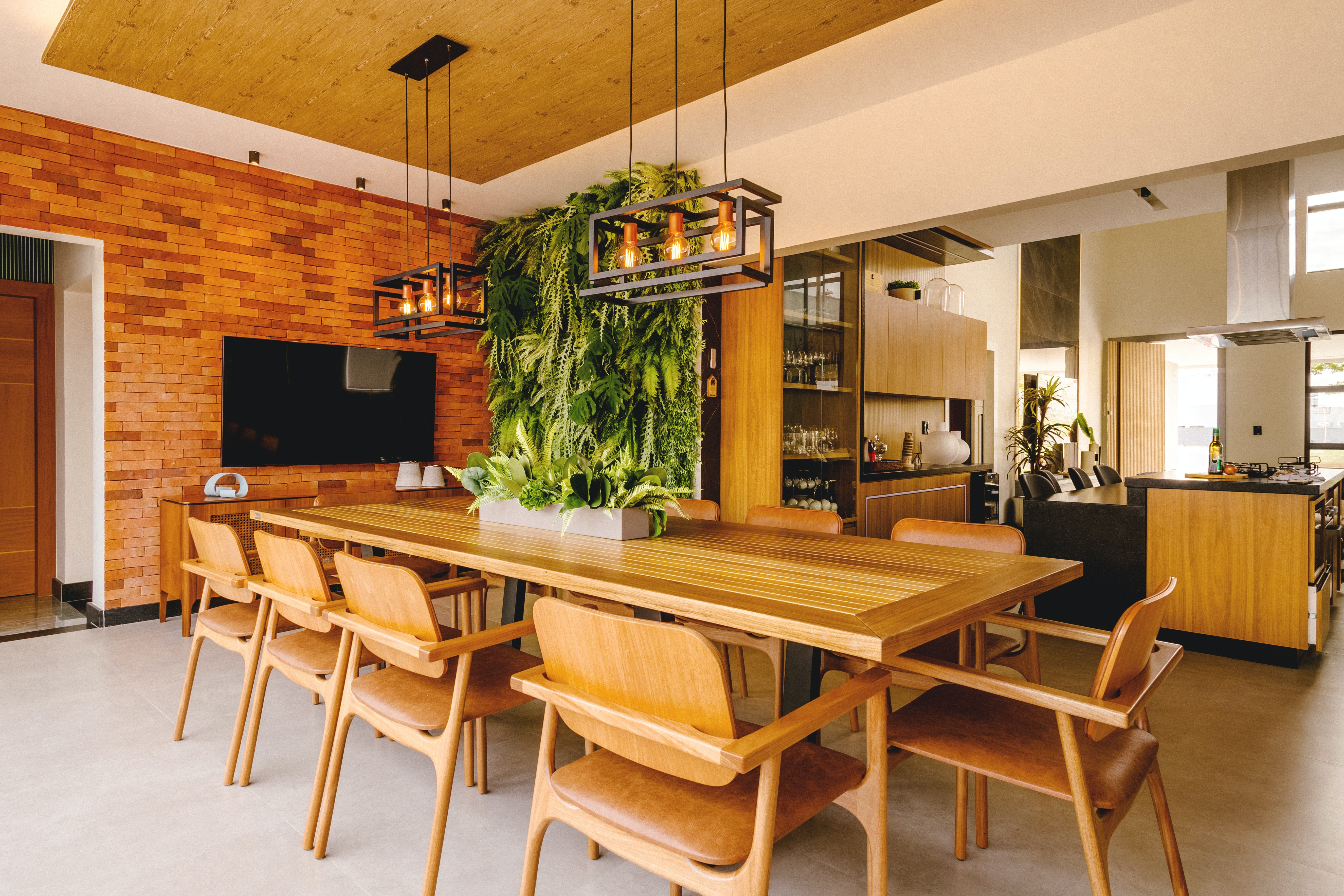
Meet ostent designs
Influential
and Impactful.
Through a unique combination of engineering, construction and design disciplines and expertise, Concor delivers world class infrastructure solutions to customers and stakeholders across a broad range of industry sectors.
Projects Completed This Year.

Documentation Phase
The goal of onboarding is to get your customer setup in a manner that they are excited about the future!

Install /& Styling
Develop detailed design documentation.To view examples of what we have created and include in this stage.

Project Completion
Most projects go towards the phase of construction when the tendering process is completed.
1. Consultation & Onboarding
Every single one of our projects, no whether small or large began with an PAID first design consult.
WE guided each client through a design consultation due to:
- offering one method to begin an initiative is the simplest way for clients to know the steps to take to start by working together
- This was an opportunity to get a feel for the way they worked and if I was interested in accepting their work
- This was an opportunity for clients of mine to meet me to see whether I’d be a suitable fit for they to work with.
- It was an easy approach for our clients to begin working with me, and it didn’t seem like a massive step on their behalf and this made the process of taking the initial step with a customer incredibly simple. Remember that in sales, what you’re trying is always get a client to the next level within your sales funnel not trying to make them buy all the steps in one shot.
2. Concept Development
This stage of the project included the creation of the first design concept to the clients.
How:
- Get your kick off invoice paid. Don’t start any work until you’ve received at the very least a portion of an upfront payment!
- Prepare initial concept documentation in SketchUp
- Edit and proofread your documentation to ensure that there are no errors This is crucial because if there are any errors in your documentation, clients may begin to wonder what else is going wrong with their work (even when nothing else is going on).
- Send out regular emails to your clients on the fly – I’ve provided a no-cost email script template in our business community platform.
- Create a concept document and schedule a meeting with the client after they’re prepared to discuss (or set up a Zoom meeting instead if that works most effectively for the business you are running)
- Pay after the conclusion of the concept phase and approval before proceeding onto the next stage of the work
3. Documentation
Develop detailed design documentation.
To view examples of what we have created and include in this stage of an initiative.
It was the longest portion of the design phase as it involved lots of meticulous work and time spent capturing the finest details of cabinetry design and joinery, bathrooms elevations, sizes of drawings and drawing software. It was also the stage of a design project that came with the highest cost to it.
How:
- Invoice the client/pay before starting any work!
- Make design documents Schedule FF&E (normally the most time-consuming part in our design workflow)
- Email updates regularly to the client on a regular basis (as as above)
- Check documentation for errors (as above)
- Send documents to the client/meet with the client
- Invoice client/pay upon the sign-off
4. Construction
Some projects fail during the documentation stage. Clients are able to decide that the project is too complicated to do, or too costly, or the circumstances alter. Most projects go towards the phase of construction when the tendering process is completed.
How:
- Schedule regular site visits meetings with clients and tradesmen (or depending on your involvement during this phase)
- Email updates on a regular basis to the client in this phase
- Invoice clients weekly or monthly for hours spent. I often worked with a retainer model in this stage of a project because it provided me with some assurance, and also allowed our customers to budget their design costs.
- Don’t be a slave to your line of work during construction. numerous designers are able to assume an administrative role for projects even though they’re not competent, licensed, or insured to perform the job. Make sure you are aware!
5. Install / Styling
This is the part of the project, which includes the installation of furniture, styling, and accessories. It’s also the time when you transfer the project with the clients.
How:
- Invoice client/get paid before starting!
- Develop a furniture/styling application (if not finished earlier)
- Check your installation checklist to ensure that you have everything in place for installation day (our full checklist is contained on our Client Project Tracker in case you require assistance in this).
- On install day , work through your checklist for installing day and ensure that everything is on your checklist.
- Hand over the project to clients and create an appropriate client handover document (if suitable in the particular project)
- Follow-up after installation + defecting
6. Project Completion
The last phase in our work was the official conclusion stage. This is an essential step to get reviews of case studies, images and other details of your work that you can share as social proof for your marketing. Do not skip this stage!
How:
- Final invoice and receive payment!
- Professional photography of the project or at times, I’d shoot our own images at the beginning, particularly when I didn’t have a huge money to spend on this.
- Sending check-in emails at clients to be sent a couple of weeks after the project to ensure everything is in order
- Request a referral or review from your clients Email scripts that are free for this are provided in our community for business (free access to the platform for all short business courses students).
- Include reminders in your diary to check in regularly and remain in contact with your clients
That's how we work! Certain projects might comprise all of these steps. Certain projects would involve only a few. It all depended on the scale of the project and the type of work our clients required help with. As our business expanded and I was able to handle more work, the scope as well as quality of the work improved and I could select and decide on the kinds of projects I wanted to tackle until the point that I was working on bigger projects that required every step. In the beginning, I embraced whatever kind of projects I could get our hands on so that I could concentrate on earning money and building our business on the beginning.
Years of experience. Urban design draws together the many strands of place-making,
Years of experience. Urban design draws together the many strands of place-making,
Years of experience. Urban design draws together the many strands of place-making,